
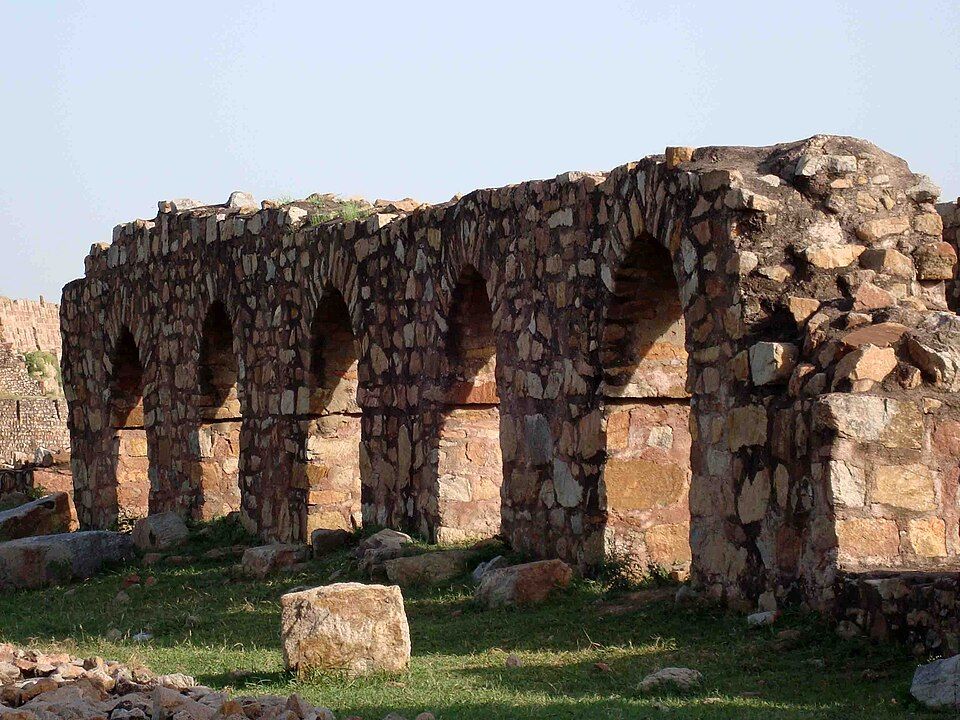
Fort Ramparts & Bastions
The extensive, largely intact fortification walls.
Offbeat Delhi
Delhi, India· Last updated

Nearest Metro
Tughlaqabad Fort was built by Ghiyasuddin Tughlaq in 1321 as his new capital, a massive fortified city with granaries, palace buildings, and a secret escape tunnel, but abandoned within years of construction — local legend attributes this to a curse from the Sufi saint Nizamuddin Auliya, whose water supply was disrupted by the fort's construction and who reportedly declared the city would be inhabited only by shepherds. Whatever the true cause, the fort's rapid abandonment left behind ruins frozen at a scale rarely seen this intact anywhere in Delhi, stretching considerably further than most first-time visitors expect. Tughlaqabad Fort suits travelers seeking a genuinely atmospheric, under-visited heritage site — the fort's rocky, largely unrestored terrain and the specific legend behind its abandonment give the visit a mood distinct from Delhi's more polished, curated monuments.
Fort Ramparts & Bastions
The extensive, largely intact fortification walls.
Royal Tomb
Once surrounded by an artificial lake, now a standalone structure.
Palace Building Ruins
Remains of the fort's royal residential quarters.
Granaries & Dungeons
Surviving functional structures within the fort.
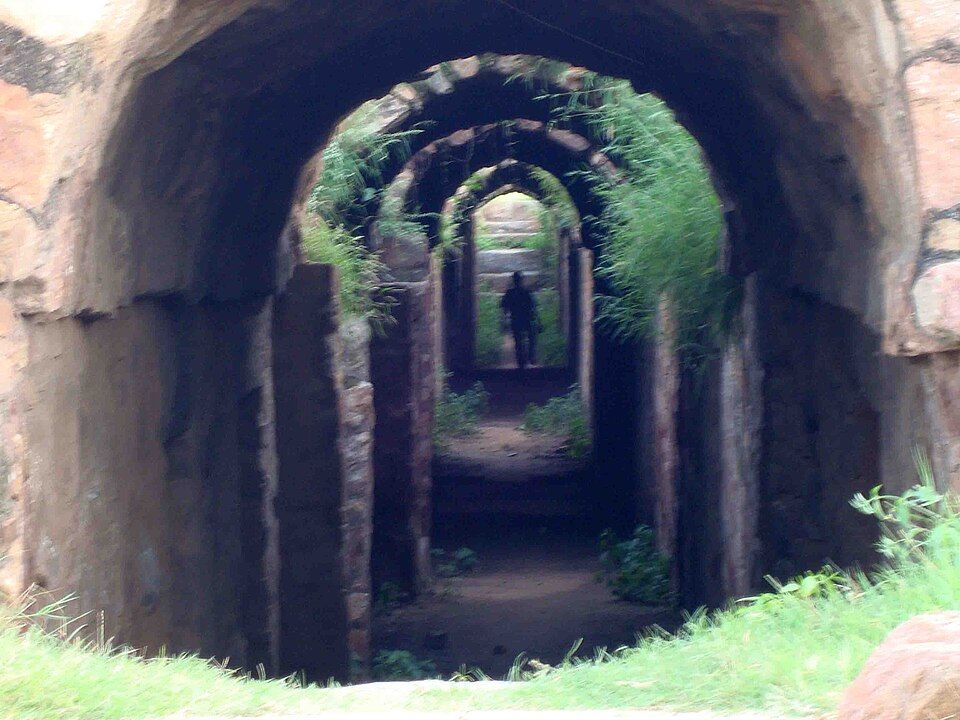
Secret Escape Tunnel
A defensive feature built into the fort's design.
The TripDnD Rate
Planning a stay in Tughlaqabad Fort?
Send us the property you're considering — anywhere online. Our rate desk works our partner network and negotiates a better rate for you. No booking fee.
Free to ask. You decide once you see the rate.
Nearest Metro: Tughlakabad station (Violet Line). By Road: Located on Mehrauli-Badarpur (MB) Road.
October–March, cool and comfortable; the fort's rocky, thorny terrain rewards proper footwear and clothing covering arms and legs.
Search any offbeat valley, village or state across India.
More to explore: offbeat places in Delhi · all offbeat India · holiday packages