
Bidar Fort
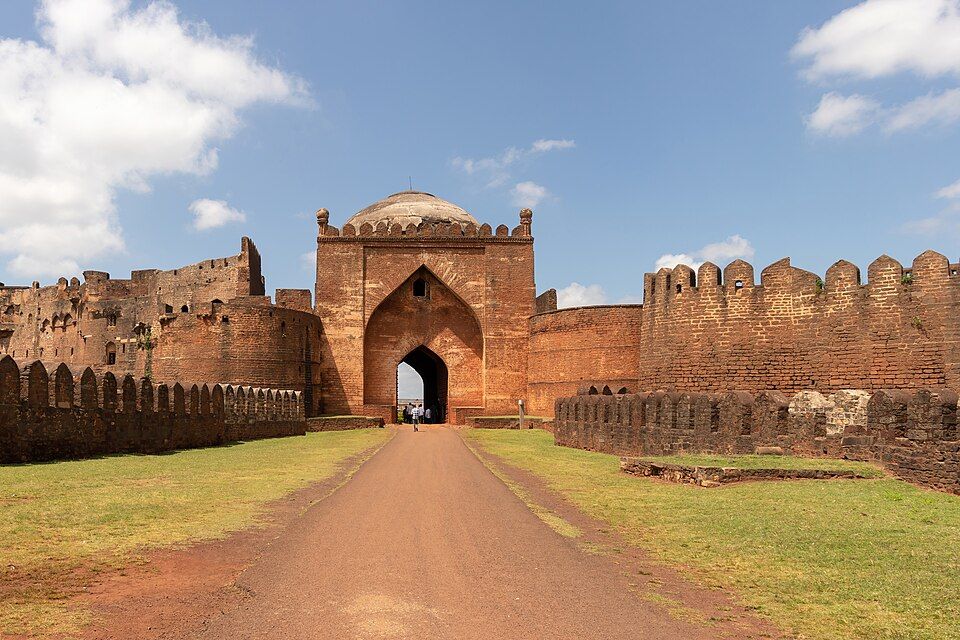
A massive 15th-century fort complex with palaces, mosques, and advanced water engineering.
Offbeat Karnataka
Karnataka, India· Last updated
The main season, cool and comfortable for exploring the fort and tomb complexes on foot.
Nearest Airport
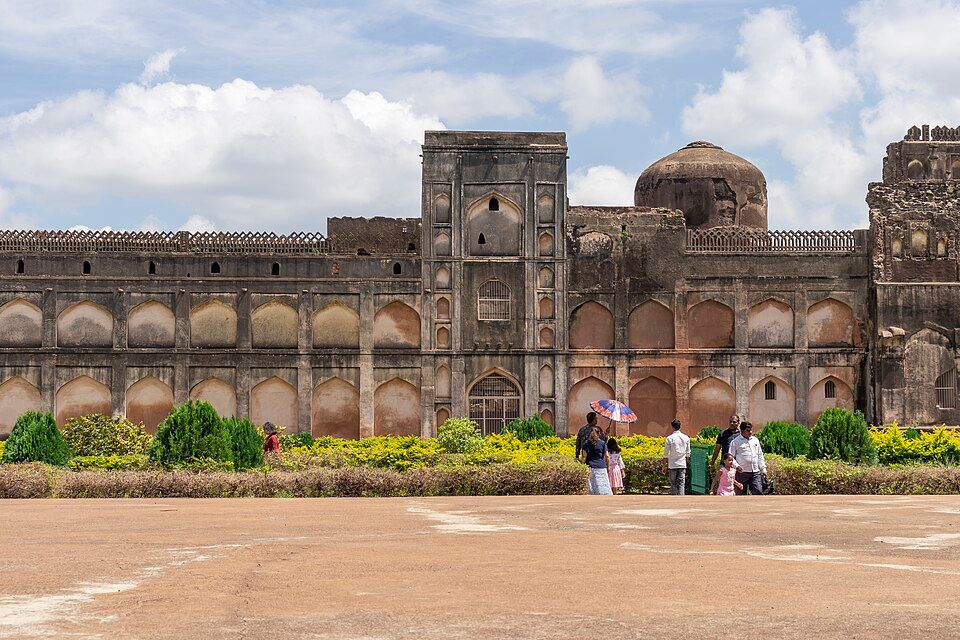
Bidar sits at the northern tip of Karnataka, close to the Telangana and Maharashtra borders, a city that served as the capital of the Bahmani Sultanate and later the Barid Shahi dynasty, leaving behind a concentration of Deccan Islamic architecture rarely matched elsewhere in South India. Bidar Fort, one of the largest and most impressive forts in the Deccan, encloses palaces, mosques, and a sophisticated water management system engineered centuries before modern infrastructure, while the nearby Ashtur necropolis holds the ornate tombs of Bahmani sultans, their scale and detail rivaling far more famous Mughal monuments further north. Bidar suits history and architecture enthusiasts specifically drawn to Deccan Islamic heritage — a period and region of Indian history that receives considerably less tourism attention than Rajasthan's Rajput forts or the Mughal monuments of North India, despite comparable scale and craftsmanship. The Mahmud Gawan Madrasa, built in 1472, was among the earliest and most significant centers of Islamic learning in India, its remaining facade still displaying traces of the elaborate tilework that once covered the entire structure. Bidar's genuine remoteness from Karnataka's more visited circuits has kept it almost entirely free of tourist infrastructure, rewarding travelers willing to make a dedicated trip specifically for its history.
Bidar Fort
A massive 15th-century fort complex with palaces, mosques, and advanced water engineering.
Ashtur Bahmani Tombs
A necropolis of elaborately decorated royal tombs.
Mahmud Gawan Madrasa
A 15th-century Islamic university, among the earliest of its kind in India.
Chaubara
A distinctive circular watchtower in Bidar's old city.
Bidriware Craft Workshops
Local workshops producing Bidar's famous metal inlay handicraft.
The TripDnD Rate
Planning a stay in Bidar?
Send us the property you're considering — anywhere online. Our rate desk works our partner network and negotiates a better rate for you. No booking fee.
Free to ask. You decide once you see the rate.
Nearest Airport: Hyderabad (Rajiv Gandhi International) Airport, approx. 130–149 km; this is generally the more practical gateway despite being in a different state. Nearest Railway Station: Bidar Railway Station, located in the city itself, connected to Bengaluru, Hyderabad, and other regional cities. By Road: From Hyderabad, drive to Bidar, roughly 130–140 km, taking approximately 2.5–3 hours; regular buses and trains connect Bidar to Bengaluru, Hyderabad, and Kalaburagi (Gulbarga).
October–March: The main season, cool and comfortable for exploring the fort and tomb complexes on foot. April–June: Very hot, generally not recommended for extended outdoor sightseeing. July–September: Monsoon season, with periodic rain across the exposed heritage sites.
2 days allows time for the fort, the Ashtur tombs, and the Mahmud Gawan Madrasa at a comfortable pace.
Yes, though the fort's scale involves considerable walking.
Yes, it's a practical stop for travelers already routing through Hyderabad, given its closer proximity to that city than to Bengaluru.
Kalaburagi (Gulbarga) Fort, and Hyderabad's own heritage sites further south.
Search any offbeat valley, village or state across India.
More to explore: offbeat places in Karnataka · all offbeat India · holiday packages