
Kohima War Cemetery
A significant WWII Commonwealth war cemetery.
Offbeat Nagaland
Nagaland, India· Last updated
Nearest Airport
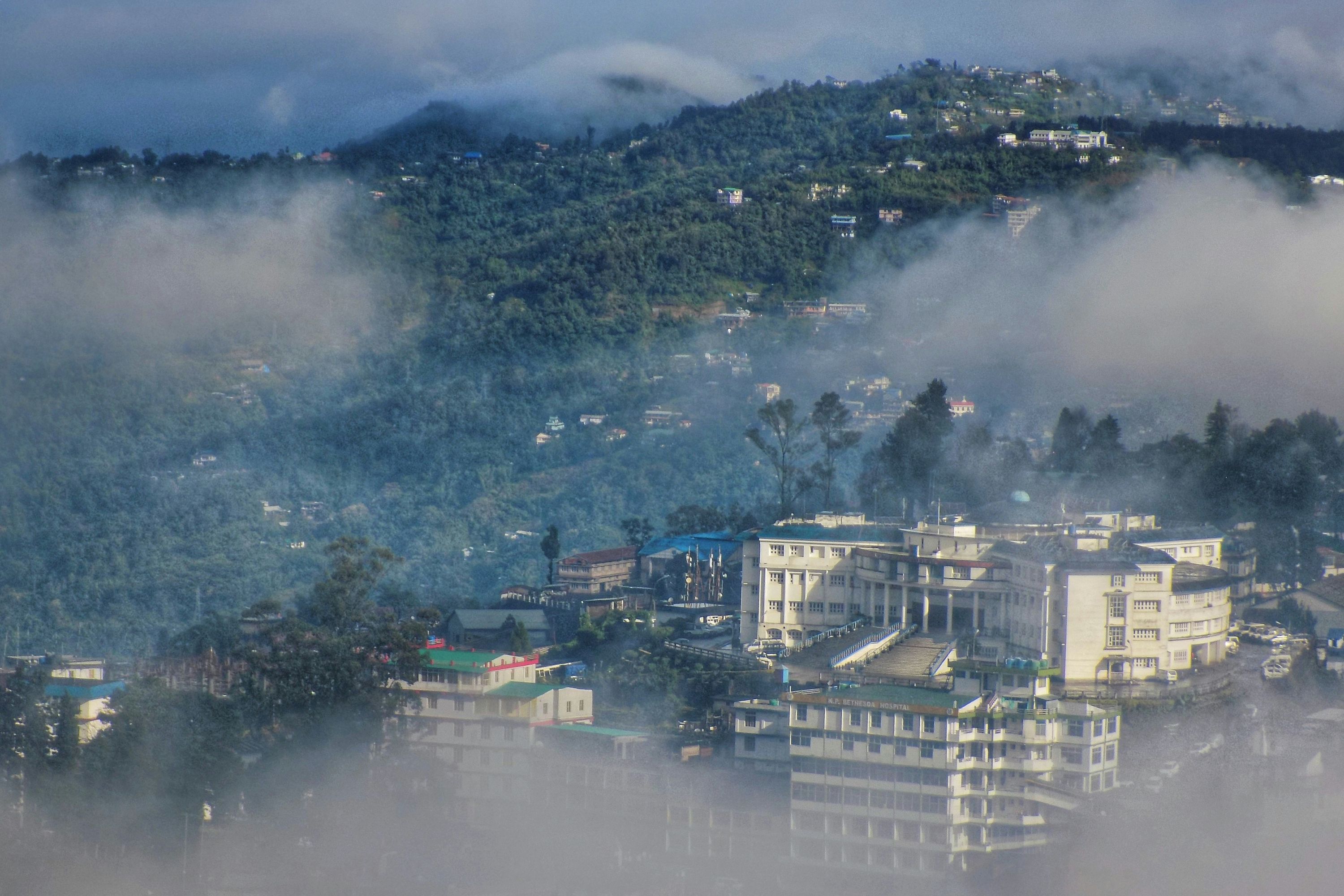
Kohima sits at 1,444 meters as Nagaland's state capital, historically the site of the 1944 Battle of Kohima, a turning point of the Southeast Asian theatre of World War II where Allied forces halted the Japanese advance into India — a battle so significant it was voted Britain's "Greatest Battle" in a 2013 National Army Museum poll, ahead of Waterloo and D-Day. The Kohima War Cemetery, immaculately maintained, commemorates the Allied soldiers who died here, while the town itself serves as the practical gateway to Angami Naga hill villages including Khonoma and the Dzükou Valley trek. Kohima suits travelers wanting essential historical and cultural context for a wider Nagaland trip — the War Cemetery rewards a serious, respectful visit, the Kohima State Museum offers context on Naga tribal diversity, and the town's own hillside setting and December Hornbill Festival (held at nearby Kisama) make it Nagaland's natural starting point.
Kohima War Cemetery
A significant WWII Commonwealth war cemetery.
Kohima State Museum
A museum on Naga tribal culture and history.
Kisama Heritage Village
Site of the annual December Hornbill Festival.
Khonoma
The nearby Angami conservation village.
The TripDnD Rate
Planning a stay in Kohima?
Send us the property you're considering — anywhere online. Our rate desk works our partner network and negotiates a better rate for you. No booking fee.
Free to ask. You decide once you see the rate.
Kohima's War Cemetery marks the site of a battle voted, in serious historical polling, as Britain's greatest ever — a genuinely significant piece of World War II history that reshaped the war's Southeast Asian theatre, worth understanding in full before visiting.
A visit to the Kohima War Cemetery, its rows of immaculately maintained graves set into the hillside, rewards quiet, respectful reflection on the battle's history and scale. The Kohima State Museum adds context on Nagaland's tribal diversity, and most visitors use Kohima as the practical base for exploring Khonoma and the Dzükou Valley trek nearby.
The 1944 Battle of Kohima's significance — a fight for what's now the town's own Deputy Commissioner's bungalow tennis court, among the most unusual battlefields of the entire war — is worth understanding fully, since the town's genuinely pivotal role in halting the Japanese advance into India shaped the entire subsequent Southeast Asian campaign.
Nearest Airport: Dimapur Airport, approx. 74 km. Nearest Railway Station: Dimapur Railway Station, approx. 74 km. By Road: From Dimapur, drive to Kohima, roughly 74 km, taking approximately 3-4 hours.
October–March, cool and comfortable; December for the Hornbill Festival at nearby Kisama.
A day covers the War Cemetery and museum; longer if using Kohima as a base for Khonoma or Dzükou Valley.
Yes, it's accessible and historically substantial.
Khonoma and Kisama (Hornbill Festival site).
Ready-made Nagaland itineraries from TripDnD-verified local experts — customise dates, stays and pace.
3N Kohima
Nagaland · 3 Nights / 4 Days
From
₹30,000
per person
Search any offbeat valley, village or state across India.
More to explore: offbeat places in Nagaland · all offbeat India · holiday packages